
XBots are offered in standard, rugged, chemical resistant, hygienic and high temperature variants. Product numbering convention can be found XBot Numbering. The table below compares all the variants.
|
Variants |
Standard (SD) |
Rugged (RG) |
Hygienic (HY) |
High Temperature (HT) |
Chemical Resistant (CR) |
|---|---|---|---|---|---|
|
IP rating |
IP65 |
IP68/IP69K |
IP68/IP69K |
IP68/IP69K |
IP68/IP69K |
|
Abrasive-Ready |
|
✓ |
✓ |
✓ |
✓ |
|
Hygienic |
|
|
✓ |
✓ |
✓ |
|
VHP Compatible |
|
|
✓ |
✓ |
✓ |
|
Autoclavable |
|
|
|
✓ |
|
|
Acid and Chloride |
|
|
|
|
✓ |
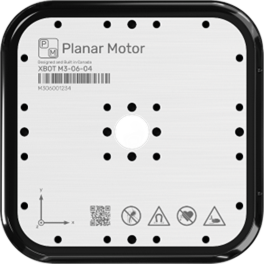
The reliable, cost-effective solution for controlled indoor environments. Best for general-purpose applications where moisture and dust are minimal (IP65) and specialized resistance isn't required.

Enhanced durability for harsh physical environments without the specialty price tag. Moves to IP68/IP69K and adds Abrasive-Ready tech to handle high-pressure washdowns and physical wear. Rugged XBots are engineered for maximum structural integrity; encapsulated in 300-series stainless steel. This variant is designed specifically for high-impact applications and heavy-cycle industrial use, providing a significant increase in mechanical durability over the standard variant. It retains the identical symmetrical hole pattern as the standard XBot, ensuring seamless compatibility with all existing workpiece carriers and mounting hardware.
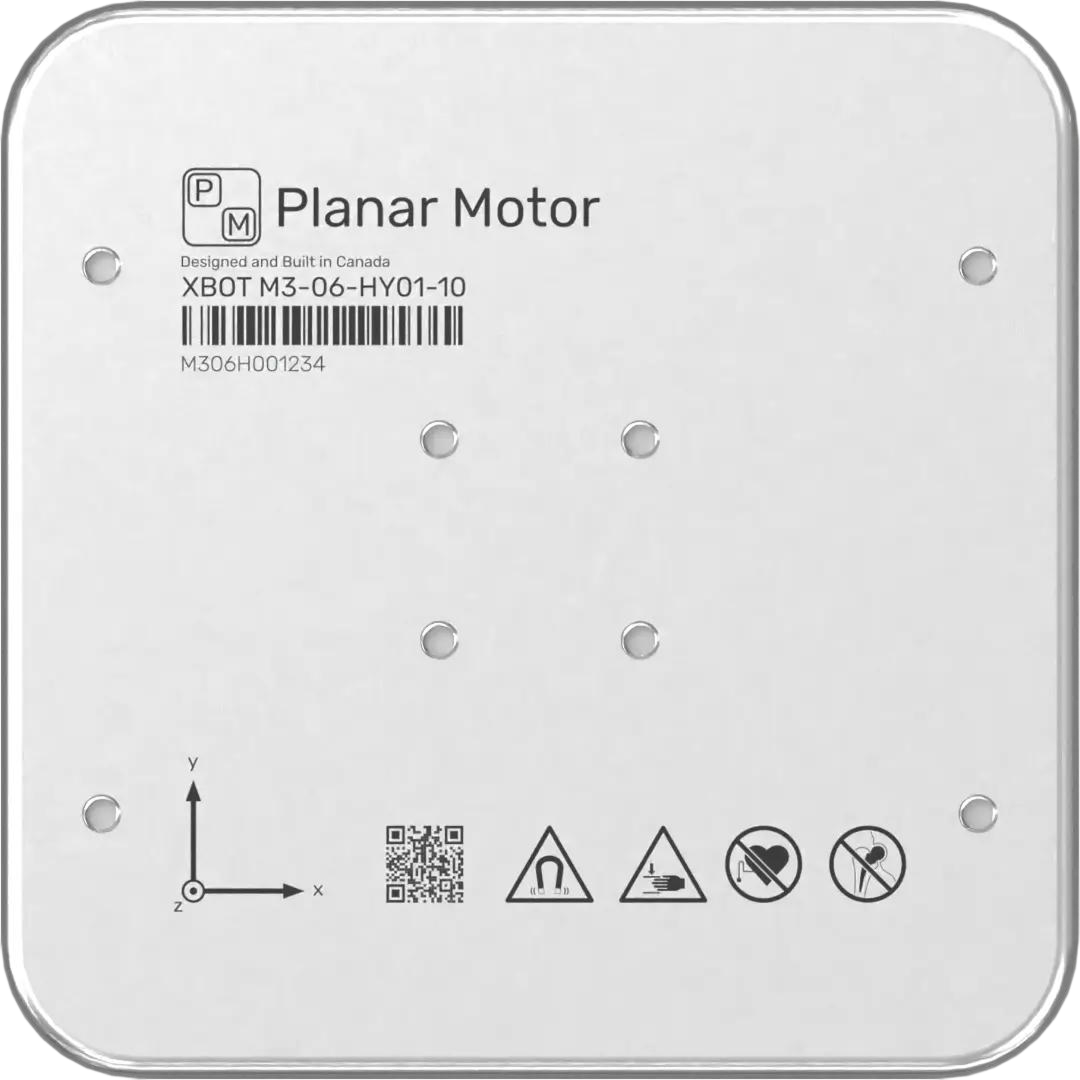
Designed specifically for food, beverage, and pharma environments where cleanliness is non-negotiable. Combines Excellent Hygienic Capability with full waterproof ratings to ensure no bacteria traps during cleaning. Hygienic XBots meet the highest hygiene standards and is fully encapsulated inside a seamless housing made of 316L stainless steel. All seams are laser welded, and polished. This results in a completely closed XBot surface. Therefore, it is possible to clean the hygienic XBots with water or hydrogen peroxide. The rounded edges of the XBot ensure easy and effective cleaning. Hygienic XBots come in two models with different surface finishings:
-
HY01 (Ra < 1.6 µm) is often used for areas where contact with product is limited or where cleaning procedures are robust. Frequently used for outer surfaces or non-product-contact areas in hygienic systems.
-
HY81 (Ra < 0.8 µm) whose smoother surfaces reduce microscopic crevices where bacteria and contaminants can lodge, making cleaning more effective. In food, dairy, and pharmaceutical industries, Ra 0.8 µm is often a minimum requirement for surfaces in direct contact with product.
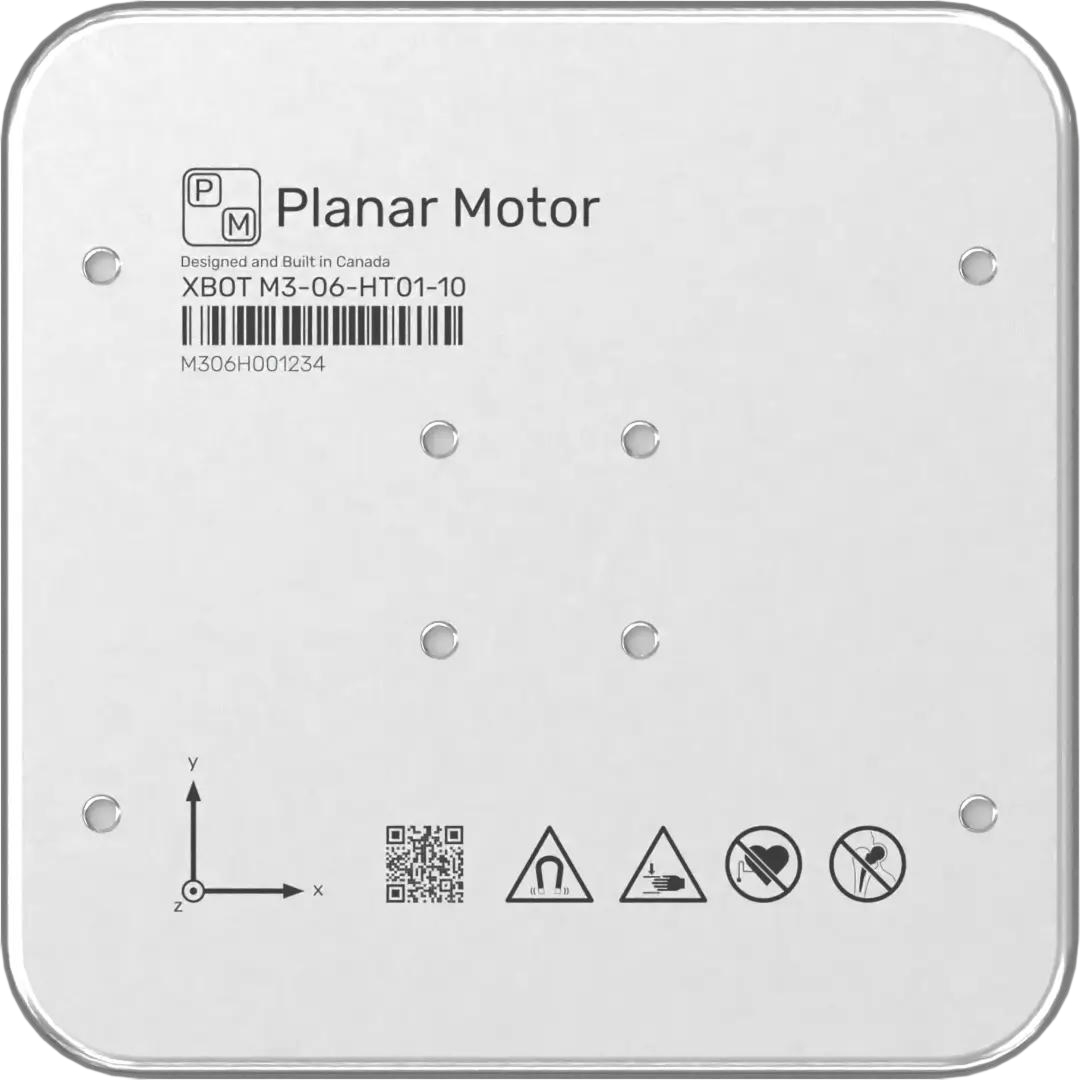
Engineered to survive the most intense thermal stress and medical-grade cleaning. The only variant featuring Excellent Autoclave capability, allowing it to withstand repeated high-heat sterilization cycles. Maximum protection against corrosive agents and harsh industrial cleaners. High Temperature XBots offer the same trusted hygienic qualities as the Hygienic version, with enhanced durability designed specifically for autoclave sterilization. Engineered to withstand high-temperature, high-pressure steam environments, this version ensures reliable reusability and compliance with rigorous sterilization protocols, making it ideal for clinical, laboratory, or other settings where repeated sterilization is essential.
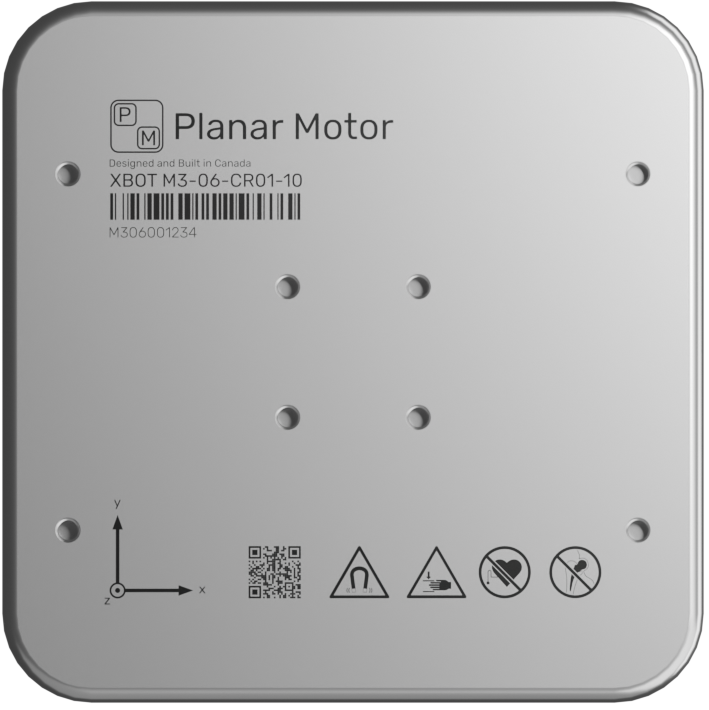
Maximum protection against corrosive agents and harsh industrial cleaners. The only variant with Excellent Acid and Chloride resistance, making it essential for chemical processing or heavy-duty sanitation cycles. Chemical-resistant XBots are encapsulated with a superalloy housing to resist:
-
Aggressive mineral acids especially at high temperatures where stainless steel would dissolve, such as Hydrochloric Acid (HCl), Sulfuric Acid (H2SO4), Phosphoric Acid (H3PO4), Nitric Acid (HNO3), Hydrofluoric Acid (HF);
-
Chlorine and Halogens, such as Wet Chlorine Gas, Hypochlorites, Chlorine Dioxide (ClO2), Ferric and Cupric Chlorides, Brine and Seawater;
-
Organic Acids and Compounds, such as Acetic Acid & Acetic Anhydride, Formic Acid, Chloroacetic Acid, alcohols, ketones, and esters;
-
Other specialized Industrial Environments, such as Sour Gas (H2S), Flue Gas Desulfurization (FGD), and Green Death.